
24/7 emergency response across Alaska

Arctic Restoration & Cleaning

Mold Remediation in College, AK

The air outside is some of the driest in Alaska, so mold in a College home can come as a surprise. But at forty below, every bit of moisture from showers, cooking and drying clothes heads for the coldest glass and corners, and ice builds up on the windows all winter. Our IICRC-certified team contains and removes mold, dries what's wet and deals with the moisture that let it grow.

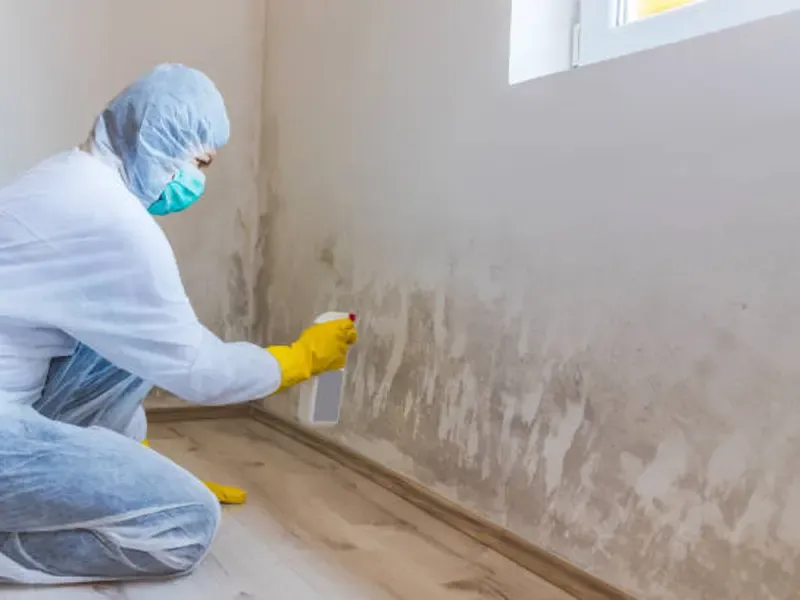
Technician in protective gear removing mold during professional mold remediation

College homes

Where mold grows in College homes

Mold needs moisture and a surface cold enough to hold it. In an Interior winter, the moisture comes from inside the house.

  • 01

    Iced-up windows

    Ice builds up on the glass and frames all winter, and when it melts the water soaks the sills and the wall below.

  • 02

    Cold corners and closets

    Exterior corners, closets on outside walls and the wall behind a bed stay coldest, and moisture collects there.

  • 03

    Ventilation turned off

    Tight, well-insulated homes rely on fans or a ventilation system, and when it's shut off to save heat, humidity builds.

  • 04

    Cabins and indoor laundry

    Drying clothes inside, cooking and heating water in a small cabin put a lot of moisture into very little air.

  • 05

    After a freeze-up

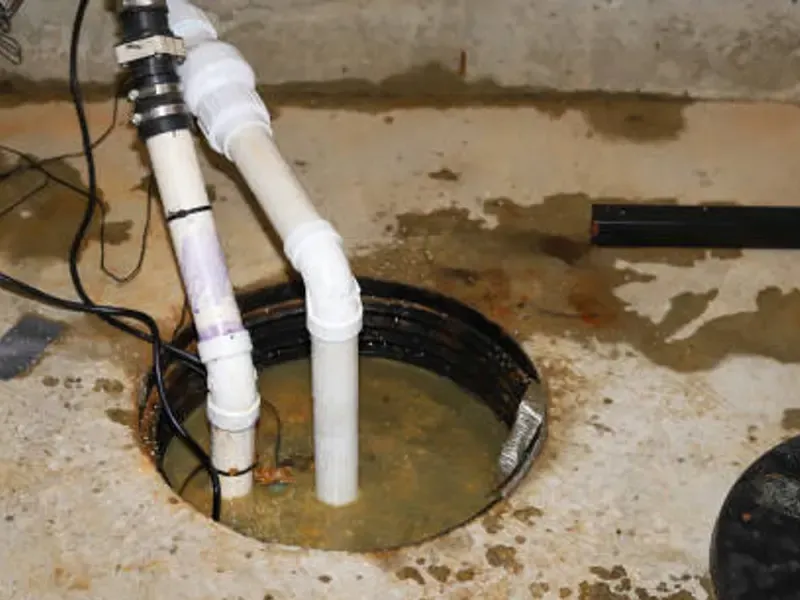
    A split line that was mopped up but never dried keeps feeding mold inside the wall or under the floor.

  • 06

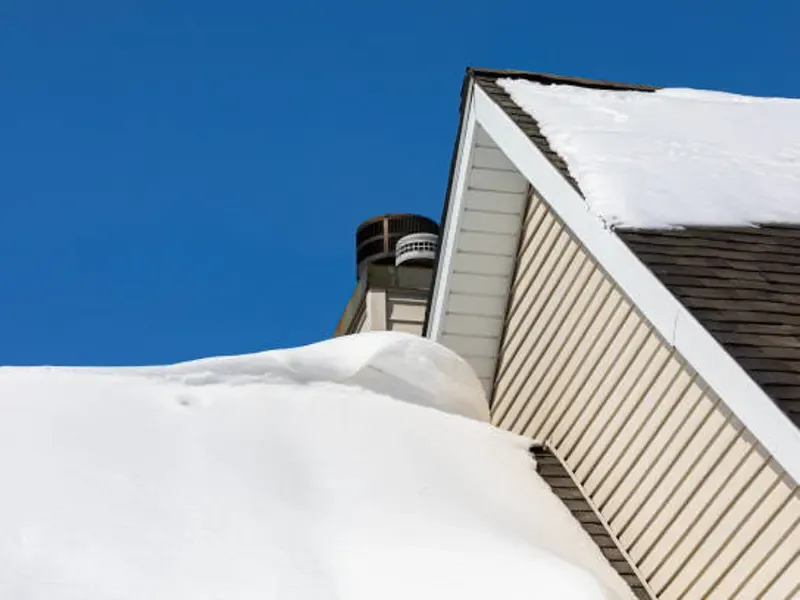
    Ice dam leaks

    Meltwater backing up under the roof in spring soaks attic insulation and ceilings, often out of sight.

Mold Remediation in College, AK

Mold remediation in College

We're based in Wasilla, about 300 miles south on the Parks Highway, and we bring crews and equipment to College for mold remediation, from the UAF area to Farmers Loop, Goldstream Valley, Chena Ridge and Ester. Every job starts with a free assessment, so you know the plan and the cost before the work starts. Call (907) 885-4092.

Photos of the mold, where it is and how much of it there is help us plan the trip, so send them if you can.

Dry air outside, wet air inside

Interior winter air holds almost no water, which is why skin cracks and static sparks. But a closed-up house makes its own moisture all day, and with the windows shut for months it has nowhere to go except the coldest surface. At forty below, that's the window glass, the frames and the corners of outside walls.

Ice and frost build up there all winter, then melt in a few warm days in spring, soaking drywall, sills and carpet edges. Keeping a bathroom fan or ventilation system running, wiping window ice before it melts and pulling furniture a few inches off outside walls go a long way toward stopping it.

Containing and removing mold

Mold spores travel through the house when mold is disturbed, so we contain the area first with barriers and air filtration. Drywall, insulation and other porous materials with mold in them are removed and bagged, and the framing behind them is HEPA vacuumed, cleaned and treated.

We dry the area and check it with moisture meters before anything is closed up, because covering damp framing with new drywall just starts the problem over.

Rentals near campus

Mold in a rental is usually a shared problem: the building may have a cold wall or a slow leak, and the way a unit is lived in, with laundry drying inside and the fan never on, adds the moisture. We remove the mold and tell the landlord and the tenant plainly where the moisture is coming from.

Turnover in May and August is a good time to deal with mold found during a move-out, before the next tenant moves in.

Recent leak? See flood restoration in College

What our College mold remediation includes

  • Free mold assessment
  • Trip, crew and equipment planned up front
  • Containment and air filtration
  • Removal of moldy drywall and insulation
  • HEPA vacuuming and antimicrobial treatment
  • Drying and moisture readings
  • Finding the moisture source
  • Advice on keeping it from coming back
How it works

How mold remediation works in College

From spots on the wall to a home that's clean, dry and stays that way.

  1. 01

    Call or send photos

    Call (907) 885-4092 or send the form with photos of what you're seeing.

  2. 02

    Plan the trip

    We work out what the job needs and plan the crew and equipment for the drive up.

  3. 03

    Inspect

    We map the mold and the moisture behind it, including what you can't see.

  4. 04

    Contain

    The area is sealed off and the air filtered so spores don't spread.

  5. 05

    Remove & treat

    Moldy materials come out, and the framing is cleaned and treated.

  6. 06

    Dry & prevent

    The area is dried and checked, and we show you how to keep moisture down.

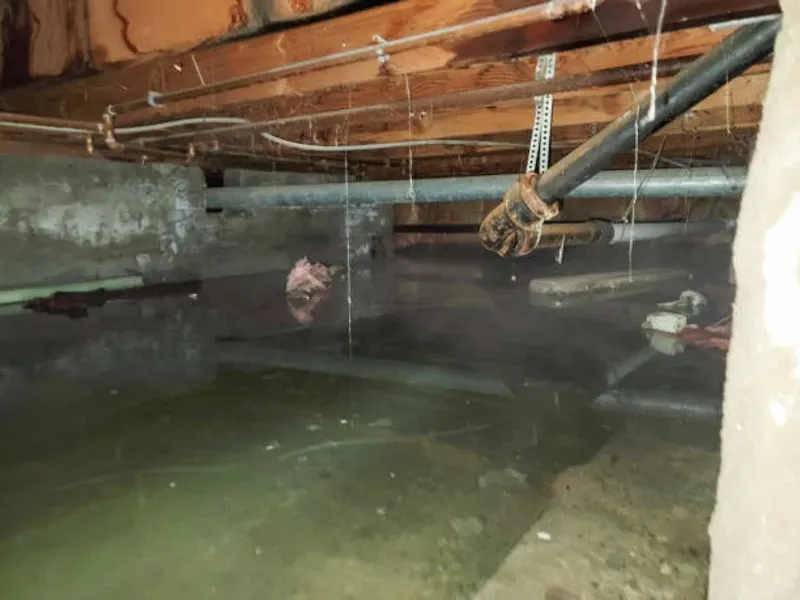
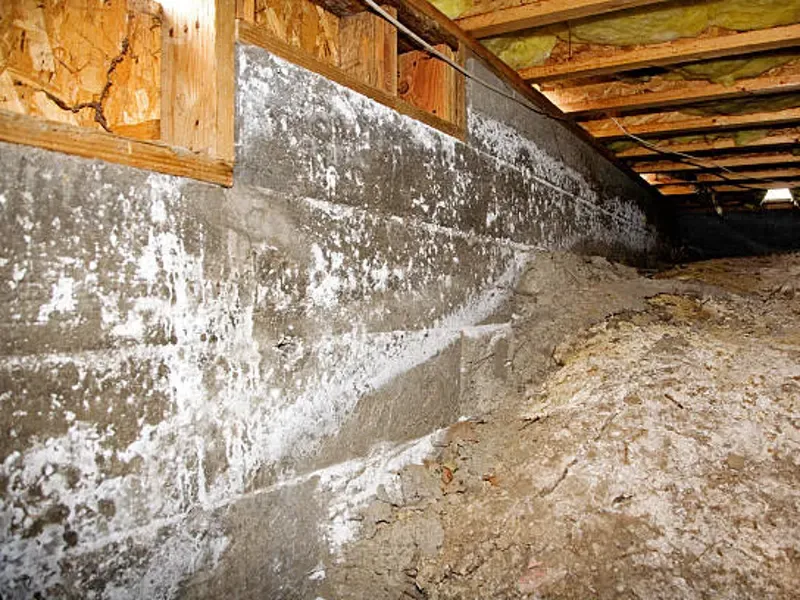
Mold growth on crawlspace foundation walls and wooden beams under a home

Crawlspace mold

Under the floor

Musty smell coming up through the floor?

Mold isn't always in the rooms. In a heated crawlspace, warm, damp air condenses on the cold rim joists all winter, and the smell rises into the house. We check under the floor when we inspect, and handle both on the same trip.

Crawlspace mold removal in College

FAQ

Mold Remediation in College, answered

Straight answers about mold remediation in College. Don't see yours? Give us a call.

(907) 885-4092

How can I have mold when the air is so dry?

The air outside is dry, but the house makes its own moisture from showers, cooking and laundry. In deep cold it collects as ice on windows and cold walls, and when it melts, mold grows where the air doesn't move.

Do you do mold remediation in College?

Yes. We're based in Wasilla and bring crews and equipment to College, including the UAF area, Farmers Loop, Goldstream Valley, Chena Ridge and Ester.

Can I clean the mold myself?

The EPA says a small area, under about 10 square feet, can usually be cleaned by the homeowner with the right precautions. Larger areas, mold that keeps coming back or mold inside walls should be handled professionally.

Is bleach enough to kill mold?

Bleach whitens mold on hard surfaces but doesn't soak into drywall or wood, so the mold grows back. Porous materials with mold in them usually need to be removed.

There's mold in my rental. What should I do?

Tell your landlord in writing and take photos. The owner authorizes the remediation, and we'll explain to both of you where the moisture is coming from and how to keep it down.

How do I keep ice off my windows in winter?

Lower the indoor humidity: run bathroom and kitchen fans, keep your ventilation system on, and avoid drying laundry inside. Opening curtains lets warm room air reach the glass. Wipe up ice and water before it soaks the sill.

Emergency service? Call us now

Mold in your College home?

For emergency water damage cleanup in Wasilla and the Mat-Su, or expert advice on any restoration job, we're just a call away — 24 hours a day. Let's work together to create a safer, cleaner space for you.